Floral Plant Vector Art Design Review
As a designer who has spent years stitching custom pieces for clients and running my own handmade shop, I know that the difference between a good product and a great one often comes down to the design assets we choose. Today, I am putting Floral Plant Vector Art Design through its paces. This isn't just another pretty picture; it is a functional asset intended for machine embroidery, digital graphics, and physical products. Before you download this file to start your next Etsy listing or holiday gift order, you need to understand how it translates from a screen to a needle.
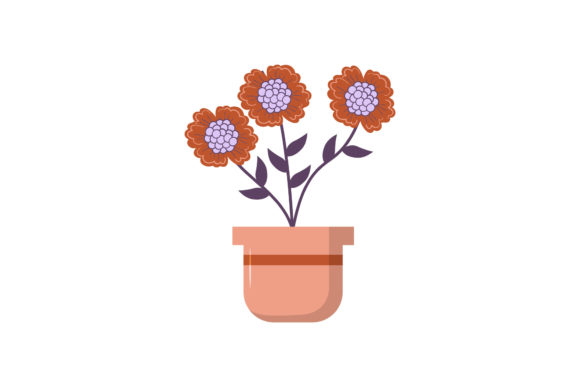
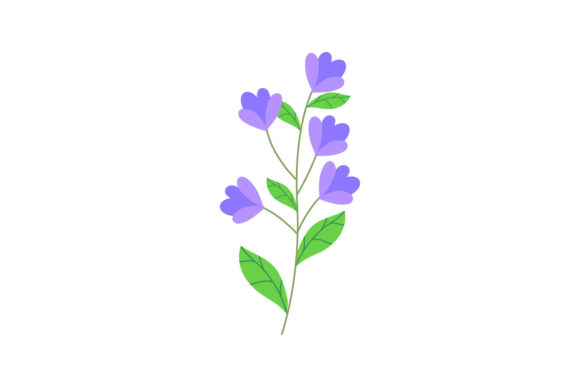
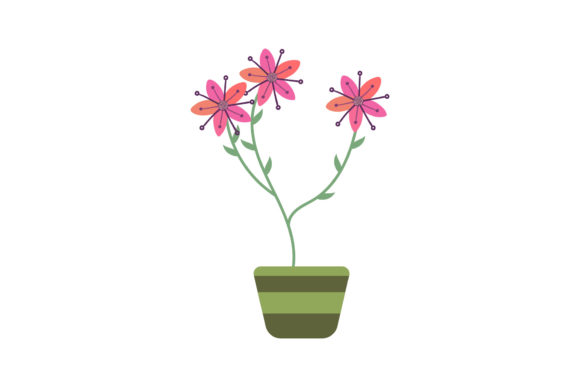
The first impression of Floral Plant Vector Art Design is one of organic elegance. The vector nature of the file suggests clean lines and scalable shapes, which is exactly what we need when moving into the world of stitch patterns. Unlike raster images that pixelate, this design promises crisp edges whether it ends up on a tiny baby onesie or a large tote bag. The mood it creates is fresh, botanical, and versatile. It feels like something that belongs in a modern farmhouse nursery, a boutique clothing line, or a high-end kitchen towel collection. The layout allows for breathing room, avoiding the cluttered look that often plagues amateur embroidery projects.
Let me walk you through a real scenario where I imagine using this design. Picture a small business owner preparing for the winter holidays. They have a rush order for personalized embroidered aprons for a local bakery chain. The client wants a subtle yet professional touch that doesn't overwhelm the fabric. This is where Floral Plant Vector Art Design shines. Because it is provided as an AI File and an SVG File, the workflow is incredibly smooth. I can import the vector directly into my digitizing software, adjust the thread colors to match the bakery's branding, and set the stitch density before ever touching the machine. The result would be a finished product that looks custom-made, elevating the perceived value of the apron significantly.
However, not every application is created equal. While this design is fantastic for flat surfaces, there are specific areas where caution is required. If you plan to use this on a curved surface like a baseball cap or a fitted sweatshirt sleeve, you must consider the hoop size and the tension of the fabric. A design that looks perfect on a flat piece of cotton might distort if the underlying material stretches too much during the stitching process. Similarly, if you are working with textured fabrics like heavy denim or loose-weave linen, the fine details of the floral elements might get lost or snagged. In these cases, simplifying the design or adjusting the stitch type is crucial.
When evaluating Floral Plant Vector Art Design for commercial use, clarity is king. Embroidery relies on the interplay of light and shadow created by satin stitches and fill stitches. If the original vector art contains extremely thin lines or tiny corners, they may not hold up well under the pressure of a sewing machine. These delicate areas often require "digitizing tricks" to ensure they don't tear out after a few washes. For a small shop product or a craft fair item, durability is non-negotiable. Customers expect their gifts to last. Therefore, I recommend reviewing the design carefully to see if any complex curves need to be thickened or if dense stitch areas need to be balanced with running stitches to prevent puckering.
The versatility of this design extends beyond just apparel. Imagine using it for a set of matching embroidered patches for a hiking group, or perhaps as a decorative element on a pillow cover for a wedding gift. The vector format allows you to scale the image without losing quality, meaning you can create a massive banner for a trade show booth or a miniature sticker for a planner. This adaptability is a huge plus for creative entrepreneurs who need to maximize their design assets across multiple platforms. Whether you are selling digital mockups or physical goods, having a high-quality source file saves hours of rework.
For those of you planning to sell finished items, understanding the visual appeal of the final product is essential. A well-executed embroidery project builds trust with your customers. When a buyer sees a clean, precise floral pattern on a tote bag or a card, they associate that quality with your brand. Floral Plant Vector Art Design offers a professional aesthetic that fits seamlessly into boutique branding. It avoids the dated look of clipart while maintaining enough simplicity to be timeless. This balance is what separates a hobbyist's work from a professional designer's output.
Before you commit to a full production run, there are several practical steps every experienced designer takes. First, always test the design on scrap fabric. This simple step reveals issues with thread tension, stabilizer choice, and fabric texture that you cannot predict from a computer screen. You need to check if the thread colors contrast sufficiently against the background fabric. A light green plant design might disappear on a white shirt but pop beautifully on navy blue. Furthermore, inspect the small details in the vector file. Are there any tiny isolated elements that could break off? If so, you may need to merge them with larger shapes or remove them entirely.
Another critical consideration is the type of stitch used. Satin stitch is excellent for outlining the petals and leaves of this floral design, providing a smooth, glossy finish. However, for larger filled areas, a fill stitch might be more appropriate to ensure stability. Running stitch can add a lovely hand-stitched feel to the stems, adding depth to the overall composition. Understanding how these different stitches interact with the vector geometry will determine the success of your project. If you are unsure about the optimal stitch density for your specific machine, consult your manual or run a test swatch.
Licensing is also a vital component of this review. While the product description mentions formats like AI and SVG, it does not explicitly state the commercial usage rights. As a responsible seller, you must confirm whether you are allowed to use this design for commercial embroidery projects or if it is restricted to personal use only. Selling finished products made from this design without proper licensing can lead to legal trouble and damage your reputation. Always read the fine print regarding digital product previews and merchandise rights before listing your items on Etsy or other marketplaces.
In conclusion, Floral Plant Vector Art Design is a strong candidate for a wide range of embroidery projects, from custom apparel to holiday gifts. Its vector nature ensures flexibility, and its botanical theme appeals to a broad audience. However, success lies in the execution. By testing on scrap fabric, choosing the right stabilizer, and paying attention to stitch density, you can transform this digital file into a tangible, high-value product. Whether you are a seasoned pro or a new crafter, taking the time to evaluate the design's limitations and strengths will pay off in the quality of your finished work. Use this tool wisely, and it will serve as a reliable foundation for your creative endeavors.